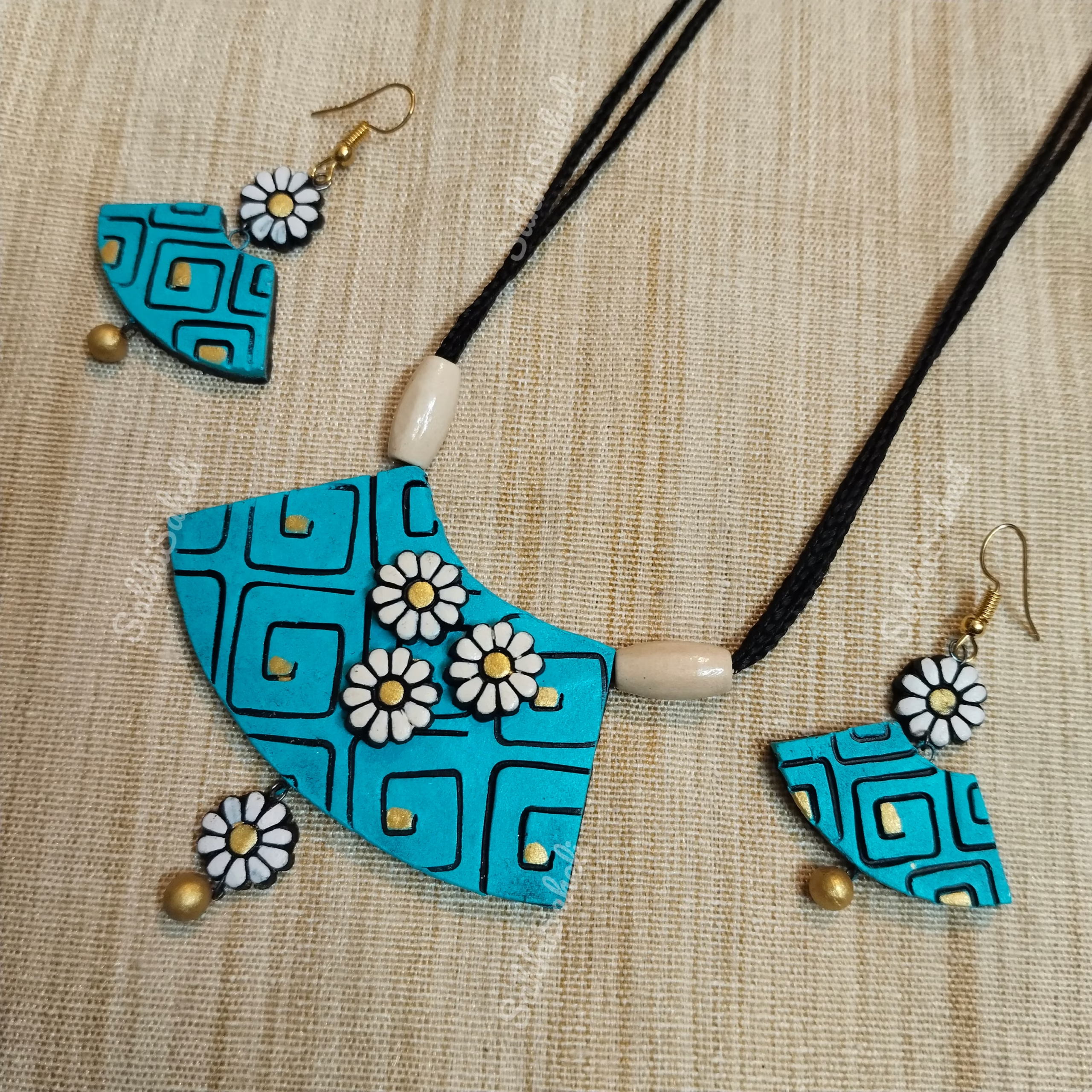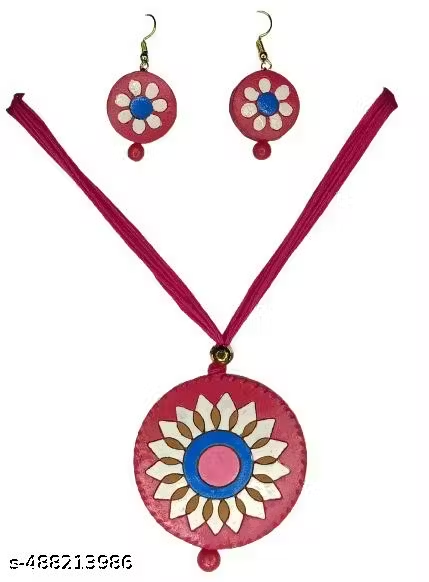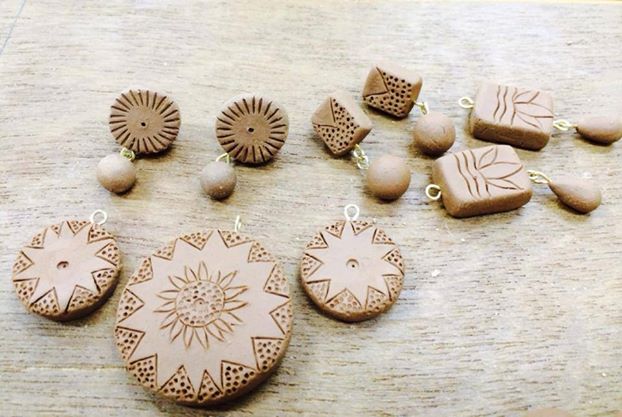
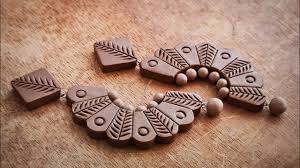
India has always been a vibrant tapestry of traditions, art forms, and cultural expression. One of its many gems is terracotta jewelry—an earthy, handcrafted accessory that not only enhances your outfit but also holds profound cultural significance. The term comes from the Latin “terra cocta,” which means “baked earth.” Terracotta is more than just a material; it’s a piece of history.
An Ancient Craft with Spiritual Roots
Terracotta has played a vital role in Indian civilization since the days of the Indus Valley, which dates back to around 3300 BCE. Early digs uncovered clay figurines, pottery, and ornaments crafted from natural clay, showcasing depictions of gods, goddesses, and sacred animals. These items weren’t just for show; they served as instruments of worship, storytelling, and deep symbolism.
From this rich tradition, terracotta jewelry was born, blending artistry with spirituality. It was commonly worn during religious rituals, festivals, and ceremonies, representing a bond with both the earth and the divine. In many rural areas, terracotta bangles and earrings were thought to repel negative energy and attract good luck.
Regional Expressions Across India
India’s rich cultural tapestry shines through in the diverse styles of terracotta jewelry found across its states:
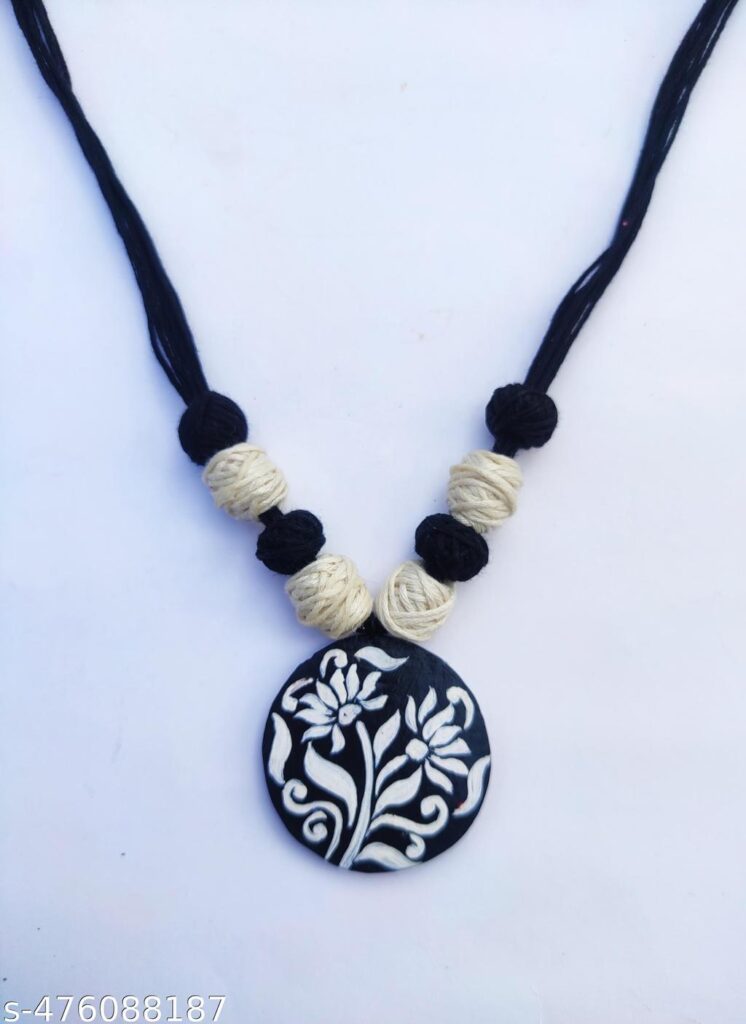
West Bengal: In the charming town of Bishnupur, skilled artisans have mastered the craft of creating stunning terracotta jewelry adorned with intricate motifs of Durga, elephants, tribal deities, and beautiful floral patterns. These pieces are often worn during Durga Puja and various other Bengali celebrations.
Tamil Nadu & Andhra Pradesh: Here, terracotta jewelry is deeply intertwined with folk traditions and temple ceremonies. The designs frequently highlight mythological stories and are especially popular during temple festivals, particularly among classical dancers.
Odisha: Among tribal communities like the Santhals, terracotta is used to create striking, symbolic jewelry that reflects their connection to nature and community.
These regional variations are not just about aesthetics; they tell unique stories and embody rituals and social beliefs that have been cherished and passed down through generations.
Symbolism and Spiritual Meaning
Terracotta jewelry is more than just a trendy accessory; it carries deep meaning in various Indian traditions:
Connection to Nature: Crafted from clay, it represents a connection to Mother Earth. This natural element is often associated with humility, fertility, and growth.
Divine Femininity: The gentle beauty of terracotta reflects the qualities of Indian goddesses. When women adorn themselves with terracotta pieces during religious ceremonies or cultural celebrations, they are seen as embodying divine grace.
Simplicity and Purity: Unlike the lavishness of gold or silver, terracotta embodies simplicity and purity. It’s often worn during spiritual or cultural events where humility and devotion take center stage.
A Staple in Traditional Celebrations
Terracotta jewelry holds a special place in Indian festivals and traditional attire:
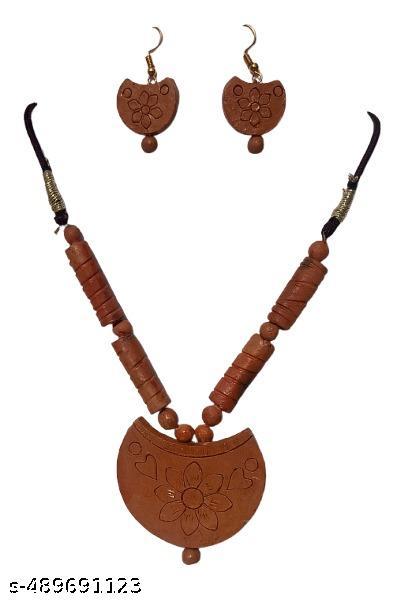
Weddings: In many rural and tribal weddings, brides often adorn themselves with terracotta sets that beautifully showcase their cultural heritage. These handcrafted pieces pair perfectly with handloom sarees and tribal outfits.
Festivals: During celebrations like Navratri, Durga Puja, and Diwali, terracotta jewelry brings a distinct ethnic flair. The designs often reflect the spirit of the occasion, featuring motifs like lotus flowers, peacocks, or religious symbols.
Folk Dances: Dancers performing classical and folk styles, such as Bharatanatyam, Kuchipudi, or Bihu, wear terracotta jewelry to maintain a traditional and authentic look.
Resurgence in Modern Times
Terracotta jewelry, which used to be mainly associated with rural and ceremonial occasions, has made a stunning comeback in urban and global markets. Nowadays, sporting terracotta pieces is a beautiful way to connect with one’s heritage while also championing sustainability and the art of handmade crafts. Fashion designers and influencers have played a huge role in bringing terracotta back into the spotlight, mixing it with ethnic styles, fusion looks, and even Western outfits.
On top of that, purchasing terracotta jewelry means supporting local artisans and tribal communities, which helps keep their traditional skills and knowledge alive. It’s more than just an accessory—it’s a meaningful gesture towards cultural preservation.