Terracotta jewelry is so much more than just an accessory; it’s a vibrant piece of history, crafted by skilled artisans and shaped by centuries of tradition. This beautiful art form, born from simple clay, tells the stories of ancient civilizations, cultural rituals, and enduring beauty. From the very first molded beads to today’s modern designs, terracotta jewelry has embarked on an incredible journey—connecting the past with the present.
What is Terracotta Jewelry?
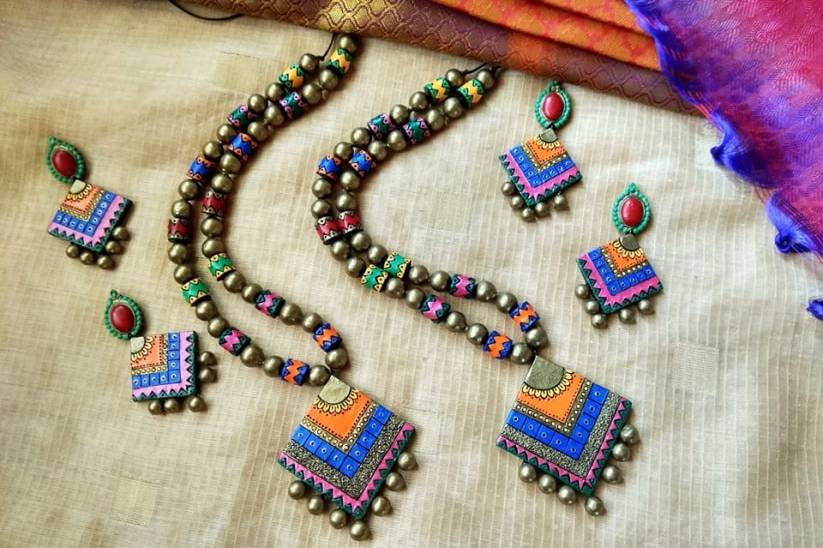
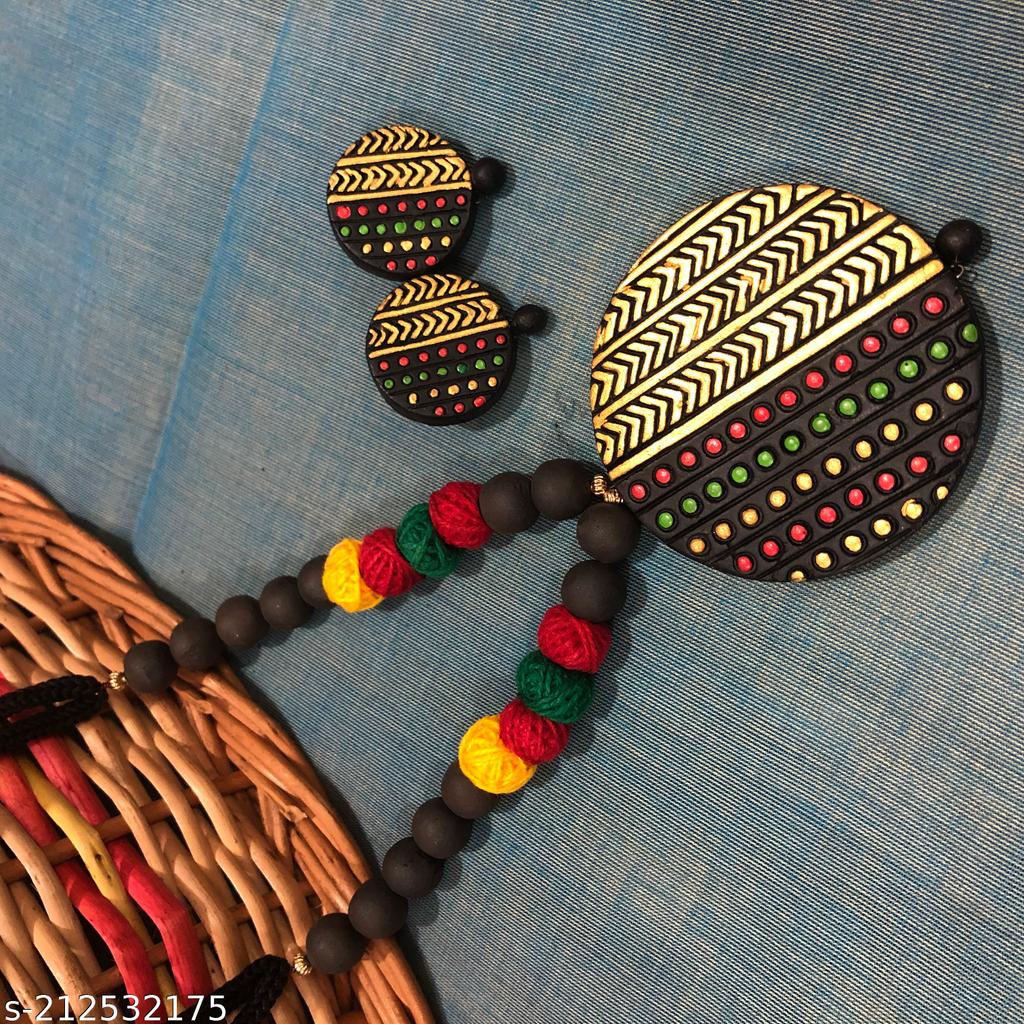
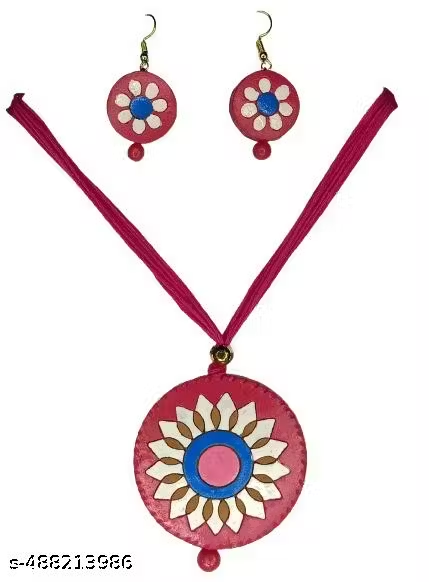
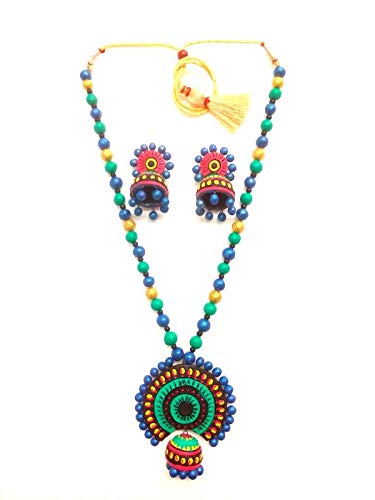
Terracotta, which translates to “baked earth” in Italian, is essentially clay that’s been shaped and hardened by firing. In the world of jewelry-making, terracotta is crafted into beautiful beads, pendants, earrings, and various decorative pieces, often featuring hand-painted designs or natural textures. Unlike precious metals, terracotta isn’t prized for its rarity; instead, it’s celebrated for its artistry, symbolism, and deep connection to the earth itself.
Historical Roots: Jewelry of the Earth
The story of terracotta jewelry stretches back thousands of years. Archaeological digs in the Indus Valley Civilization (3300–1300 BCE) have uncovered terracotta beads, amulets, and figurines, showcasing how these items were used for personal decoration and spiritual expression. Similar artifacts have also been found in ancient Egypt, Mesopotamia, and Greece, where both the wealthy and everyday people adorned themselves with clay ornaments.
In ancient India, terracotta was more than just a crafting material—it was considered sacred. The clay, sourced from the earth, was thought to possess purifying and life-giving qualities. This deep spiritual connection meant that terracotta ornaments were often worn during rituals, festivals, and special events, symbolizing fertility, protection, and prosperity.
From Craft to Culture
Terracotta jewelry has a rich history that developed alongside the communities that crafted it. Artisans in rural India created unique styles, drawing inspiration from local traditions, myths, and the materials available to them. For instance, in West Bengal, you’ll often find intricate terracotta designs that illustrate stories from epic tales like the Ramayana and Mahabharata. Meanwhile, in Tamil Nadu, tribal artisans tend to embrace geometric shapes and vibrant, earthy colors.
What sets terracotta jewelry apart from gold or silver is its accessibility—it’s art meant for everyone, not just the affluent. This inclusivity has allowed it to become an integral part of cultural life, with designs lovingly handed down through generations, enriching the community’s heritage.
The Making of Terracotta Jewelry
The art of making terracotta jewelry is a beautiful blend of simplicity and tradition. It all starts with artisans gathering high-quality clay, often sourced from riverbeds. They clean, knead, and mold this clay into beads, pendants, or intricate designs, either using molds or shaping it by hand. After the pieces dry, they’re fired in a kiln or even in a traditional open pit, turning that soft clay into sturdy, reddish-brown creations.
Next comes the fun part—decorating! Artisans might paint with natural dyes, add metallic touches, or simply leave the raw, earthy look as is. Many still embrace ancient techniques, ensuring that each piece is one-of-a-kind, with its own unique imperfections that tell a story.
Symbolism and Meaning
Terracotta jewelry carries a wealth of symbolism. Its earthy texture serves as a beautiful reminder of our bond with nature, while the fact that it’s handcrafted highlights the brilliance of human creativity. In various cultures, donning terracotta pieces during festivals is a way to pay tribute to the earth and all its offerings. Plus, the strength of fired clay symbolizes resilience—turning something that starts off soft and delicate into something enduring.
From Ancient to Modern
Terracotta jewelry, with its roots steeped in history, has captured the attention of today’s fashion enthusiasts. Modern designers are skillfully merging age-old designs with fresh, contemporary styles—think hand-painted pendants paired with sleek minimalist chains or bold earrings that complement both ethnic and Western outfits.
As the demand for eco-friendly and sustainable fashion rises, terracotta jewelry stands out as a perfect option. It’s biodegradable, lovingly handcrafted, and free from harmful industrial pollutants, making it not just a stylish choice but also a responsible one for the environment.
Preserving the Legacy
The future of terracotta jewelry as a craft really hinges on both the artisans who create it and the admirers who appreciate it. Many rural craftspeople are grappling with economic hurdles and the tough competition posed by mass-produced accessories. By supporting handmade terracotta pieces, we can help ensure that the skills, stories, and cultural heritage linked to this beautiful art form continue to flourish.
Thanks to workshops, exhibitions, and online platforms, terracotta jewelry has gained global recognition, capturing the interest of younger generations. What started as a local tradition has now become part of a worldwide dialogue about preserving crafts and embracing sustainable fashion.
A Living Tradition
From the dusty riverbeds of ancient civilizations to the chic runways of today, terracotta jewelry stands as a beautiful testament to our creative spirit. It reminds us that true beauty doesn’t always come from luxury—sometimes, it’s found in the very earth beneath our feet.
When we wear terracotta jewelry now, we’re not just making a fashion statement; we’re honoring a tradition that links us to our ancestors, to nature, and to the timeless art of storytelling through craftsmanship.